High blood pressure: small daily changes that add up
Medically reviewed by Dr Tooba Jahangir
High blood pressure (hypertension) is sometimes called a "silent" condition because most people feel completely well. Over time, though, it strains the heart, blood vessels, kidneys and eyes, and it is one of the biggest risk factors for stroke.
The good news: everyday habits have a real, measurable effect on blood pressure — often working alongside medication, and sometimes reducing how much you need.
Know your numbers
Blood pressure is written as two numbers, such as 128/82. A reading below 120/80 is considered ideal. Different guidelines set the threshold for diagnosing hypertension at either 130/80 or 140/90, so your doctor will interpret your readings alongside your overall heart risk.
Measure it properly at home
Home readings are often more useful than a single clinic reading. For accurate results:
- Avoid caffeine, smoking and exercise for 30 minutes beforehand.
- Sit with your back supported and feet flat on the floor for five minutes.
- Rest your arm on a table at heart level, using the correct cuff size.
- Take two readings a minute apart, morning and evening, and write them down.
Cut the salt — especially the hidden salt
The World Health Organization recommends less than 5 g of salt a day — about one level teaspoon, in total. Most of it comes from foods that are already salty: bread, pickles (achaar), papad, namkeen, instant noodles, processed meats and restaurant food.
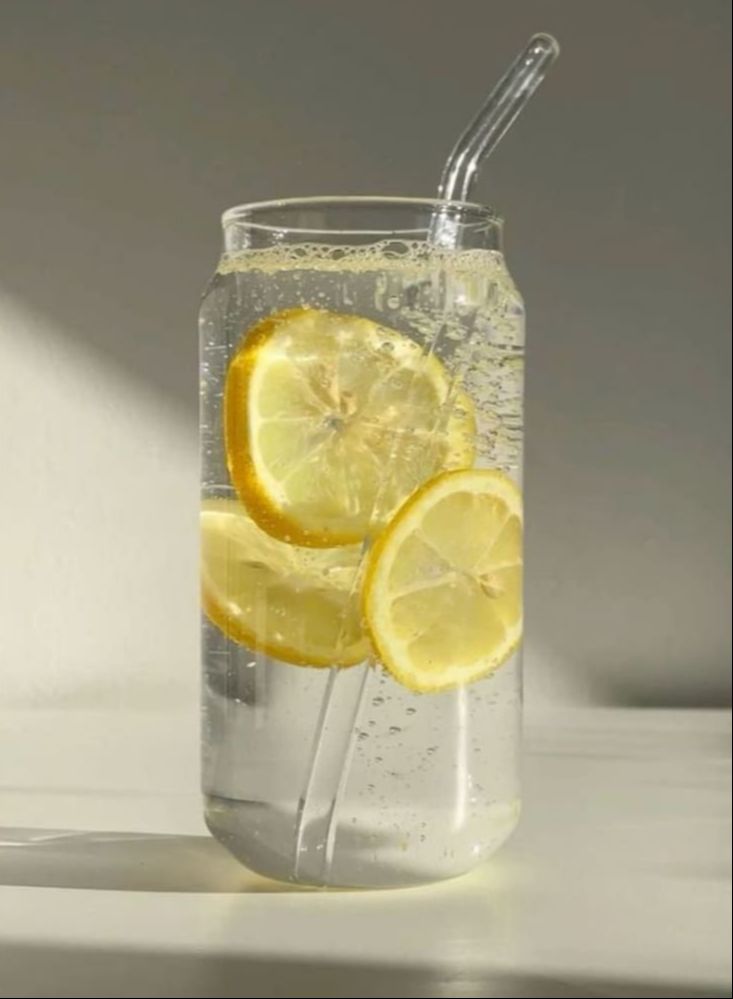
Try cooking with less salt and adding flavour with lemon, garlic, ginger, fresh herbs and spices. Taste buds adjust within a few weeks.
Eat more potassium-rich foods
Unless your doctor has told you to limit potassium (for example, because of kidney disease), foods such as bananas, spinach, tomatoes, lentils, beans and yoghurt help balance the effect of salt. The DASH eating pattern — rich in vegetables, fruit, pulses and low-fat dairy — has strong evidence for lowering blood pressure.
Move most days
Regular moderate activity, like brisk walking, can lower blood pressure noticeably. Aim for 30 minutes on most days; it can be split into shorter walks.
Look after sleep and stress
Poor sleep, loud snoring with daytime tiredness (a possible sign of sleep apnoea) and ongoing stress can all raise blood pressure. They are worth raising with your doctor.
When to seek urgent help
If your reading is 180/120 or higher and you have chest pain, shortness of breath, a severe headache, weakness, numbness, confusion or changes in vision, seek emergency care immediately.
Never stop blood pressure medication on your own, even if your readings improve. Your doctor can reduce it safely if it's no longer needed.
Want support putting this into practice? Book a lifestyle medicine consultation or see our Intensive Lifestyle Transformation program.
This page is for education and doesn't replace individual medical advice. Keep taking any prescribed medication unless your doctor advises otherwise. Medical disclaimer